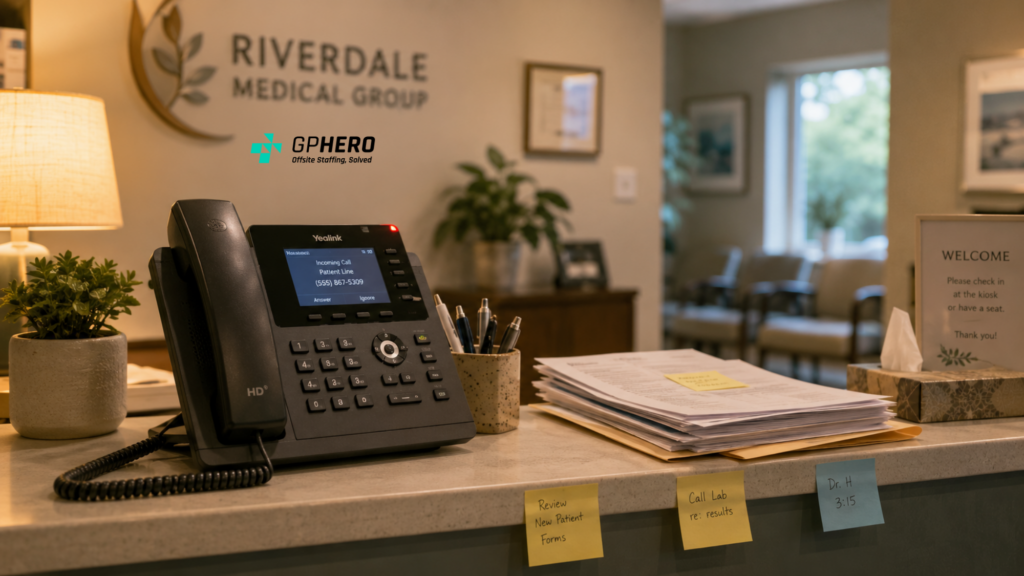

If you’ve looked at your front desk lately and wondered whether AI could just take the calls, you’re not the only Practice Manager asking. AI-only phone answering has gotten good, good enough that it’s now a genuine option on the table, not a gimmick. So it’s worth asking honestly: what would you actually be handing over?
What AI is genuinely good at
Let’s give it its due. A well-built AI answering service can pick up every call, route routine requests, and never put anyone on hold. For a Practice drowning in ring volume, that’s real relief no interruptions missed, no messages lost in the shuffle. If the only problem at your front desk were “too many calls, not enough hands to answer them,” AI-only answering would be a fair fix.
But that’s rarely the only problem. And it’s not the whole job.
What it can’t do: carry the relationship
A phone call to a GP practice is, first and foremost, a human-trust moment. It’s an anxious patient calling about test results. Sometimes it’s someone who always asks for a particular doctor and expects the practice to recognise them for asking. Other times it’s a tone on the line that tells a trained ear this one needs to move to the front of the queue not because a rule says so, but because a person who knows your practice can tell.
AI can route a call competently. It can’t carry your practice’s reputation the way a person who’s part of your team can. That’s not a knock on the technology, AI just doesn’t do that job. Relationship memory, judgement calls, the small human read on an urgent moment: those still need a person.
So it isn’t AI vs. a person – it’s both, done properly
This is where Practices usually get the framing wrong. It isn’t “hire an AI system” or “hire a person” it’s whether the person you bring in is actually working with good AI tooling, or working around the lack of it.
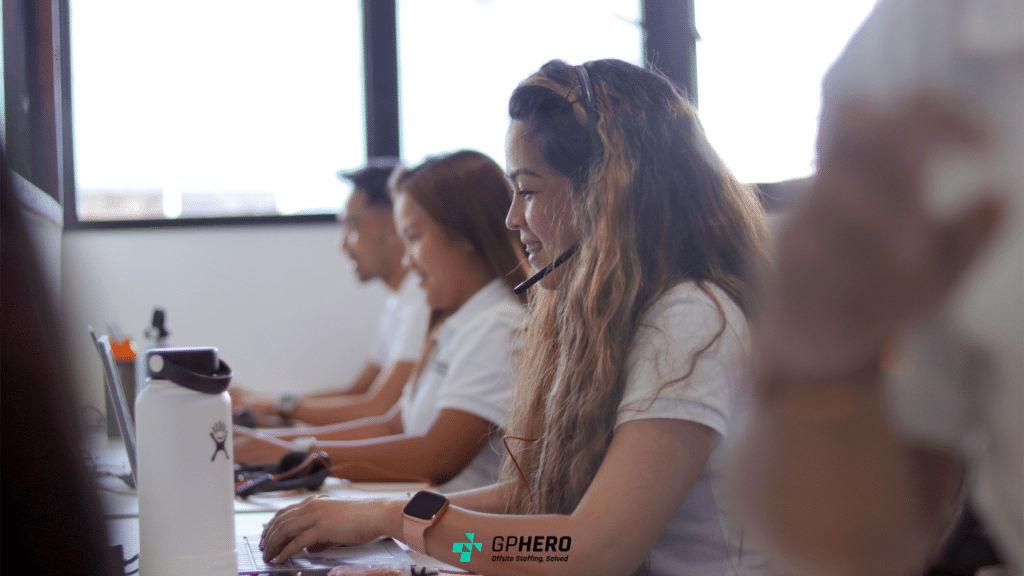
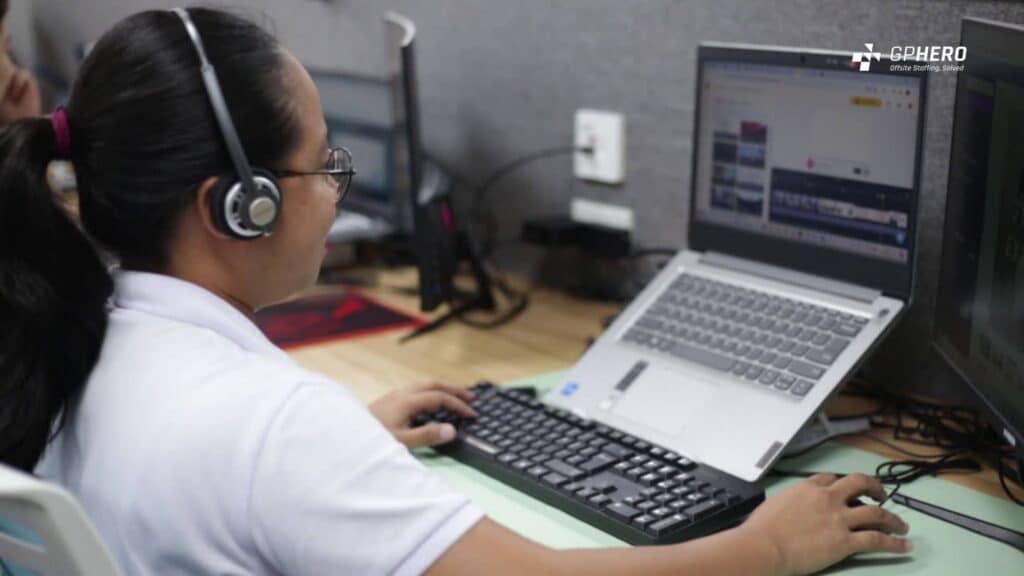
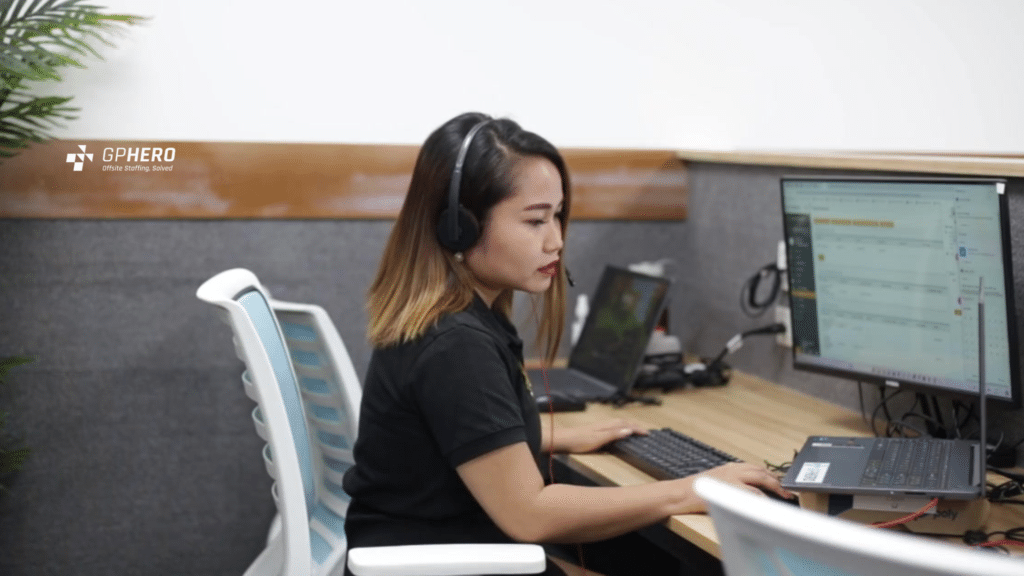
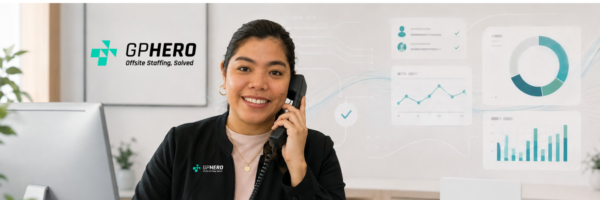
Every Hero we place is already AI-forward from day one. They’re not choosing between speed and relationship, they have both. A purpose-built AI knowledge base – one GP Hero trains on your Practice’s own processes means a Hero can move fast on the repetitive load (document handling, data entry, routine triage) while staying the one on the phone, in the tone, carrying the relationship with your patients. One of our AI partnerships, for document allocation and administrative workflows, takes document processing per Hero from roughly one a minute to as many as fifteen freeing more of their time for the calls and patients that actually need a person.
The result isn’t a compromise between fast and personal. It’s both, at once.
What this means for your practice
If your front desk pressure is genuinely just call volume, an AI-only line might be enough. But for most Practices, the pressure isn’t only “too many calls” it’s interruptions pulling your team off task, admin rolling into tomorrow, and work sitting with the wrong person (the exact pattern in https://gphero.com.au/overwhelmed-practice-manager). Routing calls faster doesn’t solve any of that. Solving it takes someone who’s actually embedded in your practice, who knows your systems, and who good AI tooling working behind the scenes has freed up to spend their time on the parts of the job that need a person.
126 Australian General Practices are already running this model, with a typical client review score (NPS) of 8–10 across the base. That’s not a start-up pitch, it’s a proven way of working that a growing number of practices have already chosen over an AI-only line, precisely because they wanted both.
Where to see this in practice
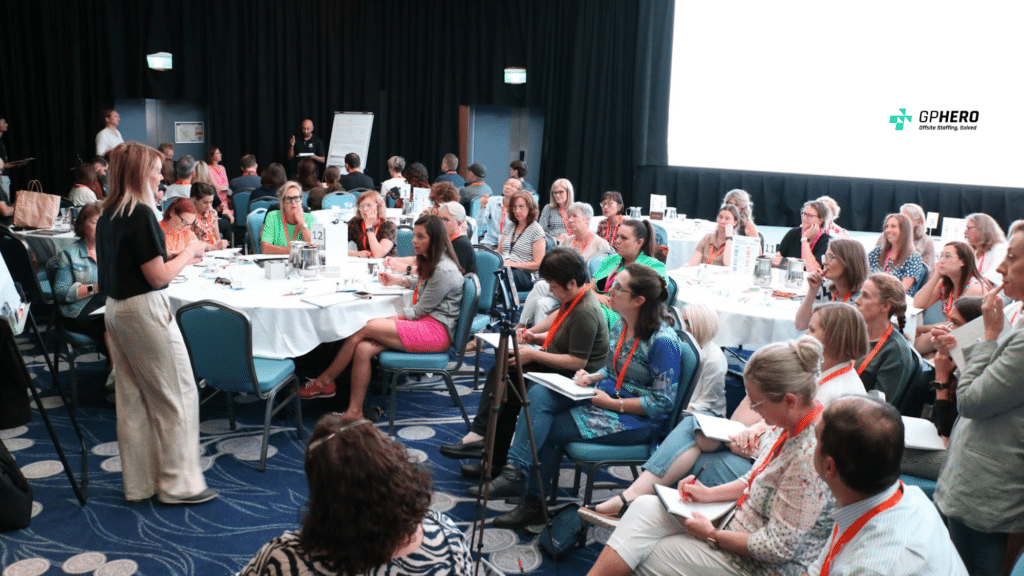
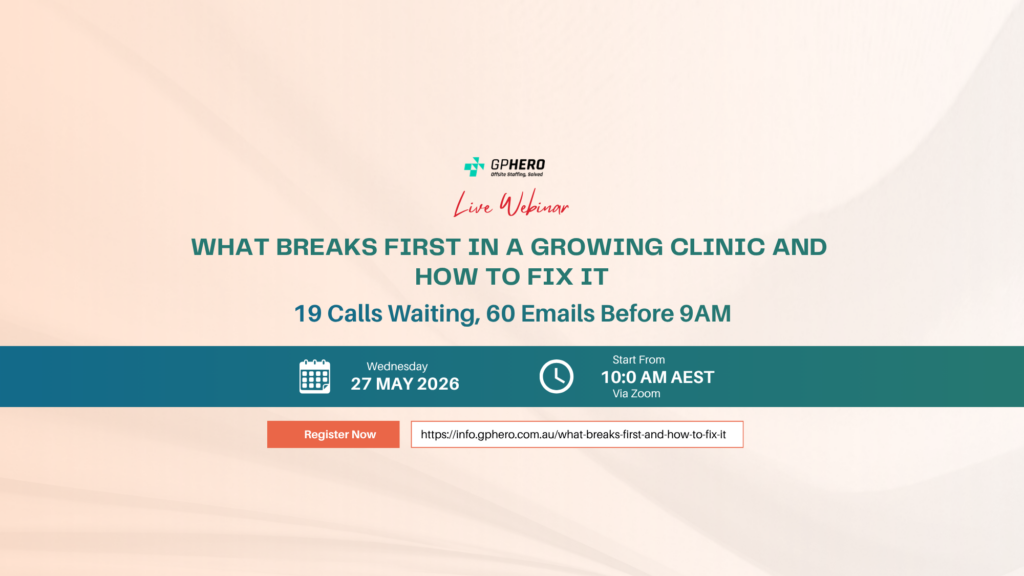
We built our free session, Why 95 General Practices Stopped Letting Admin Run Their Day, around exactly this kind of question where your front-desk pressure is really coming from, and what to look at first before you decide what (or who) should be answering your phones.
Save your free seat → · Wednesday 26 August · 11:30am AEST · Live on Zoom · Can’t make it live? Register anyway and we’ll send you the recording.
You don’t need to have this decided today. You just need a clear picture of what’s actually creating the pressure so that whatever you bring in to help, AI-only or otherwise, is solving the real problem and not just the loudest symptom of it.