

Offsite vs Local Hiring for General Practice: The Honest Comparison
If you’ve considered offsite Practice support for your clinic and felt a flicker of hesitation, that’s not a flaw — it’s good judgement. You’ve heard the horror stories. You care about your patients, your team, and the standard of care your name is attached to. So let’s not pretend the question away. Let’s do the honest comparison — local hiring versus offsite support — and be straight about where each one genuinely wins.
Where local hiring wins
Local hiring has real strengths, and it’s worth saying so plainly. A person in the building can read the room. They can step in for the face-to-face, judgement-heavy moments — the distressed patient at the desk, the quiet word with a GP between consults, the things that need a human presence in the space. For that onsite, in-person layer of your Practice, local is right. It always will be.
The trouble is that local hiring struggles on one axis in particular: speed. Recruiting for general practice is slow, the pool is shallow in many areas, and every hire brings weeks of onboarding before they’re genuinely lifting load. When the seat is bleeding cost every week it stays empty, “slow” is the one thing you can’t afford.
Where offsite support wins
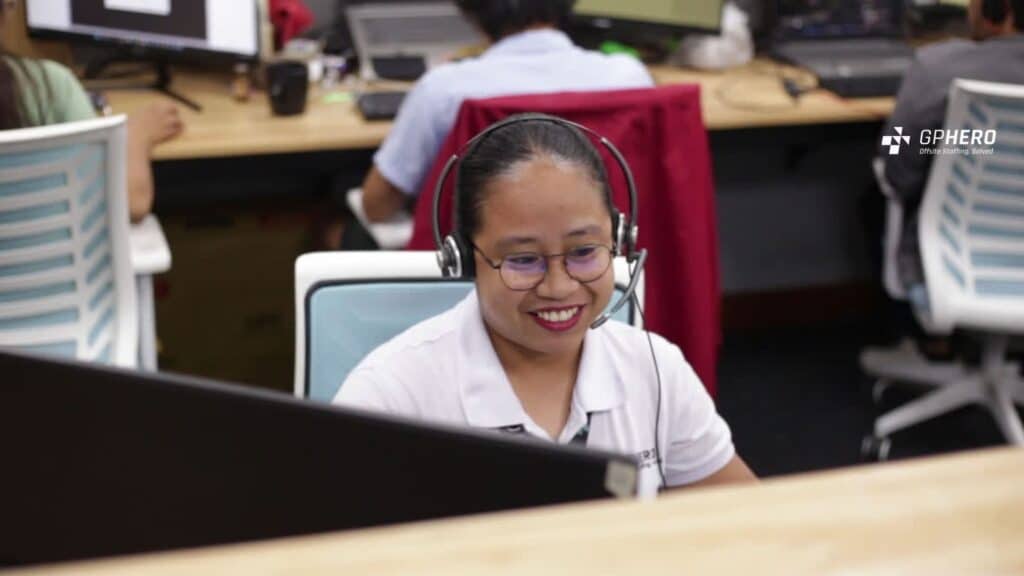
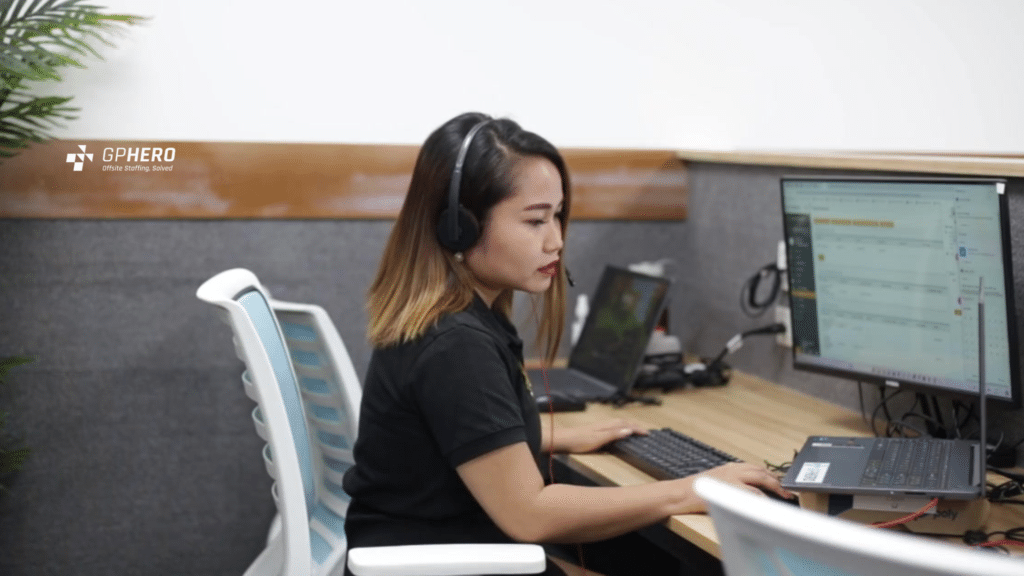
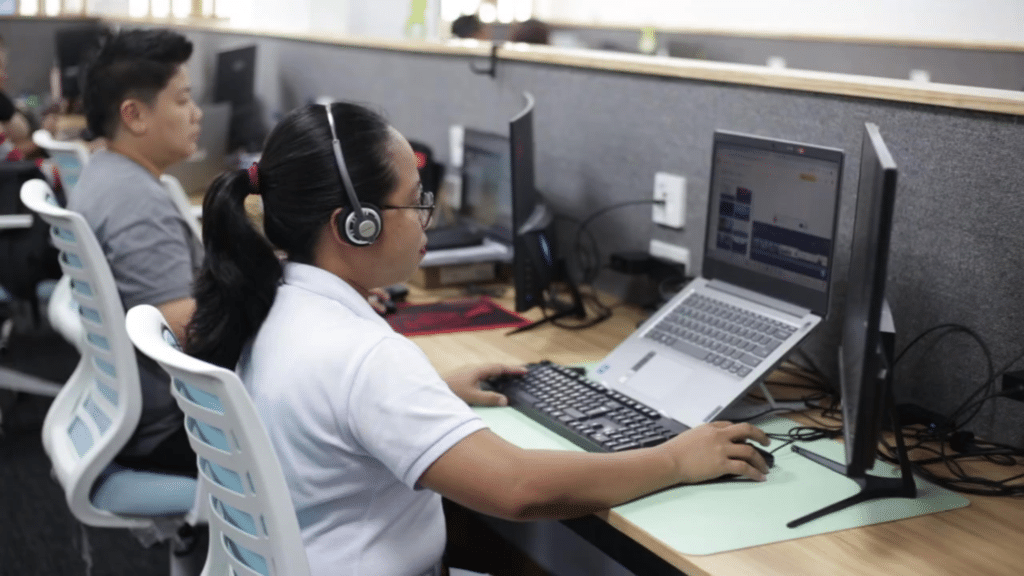
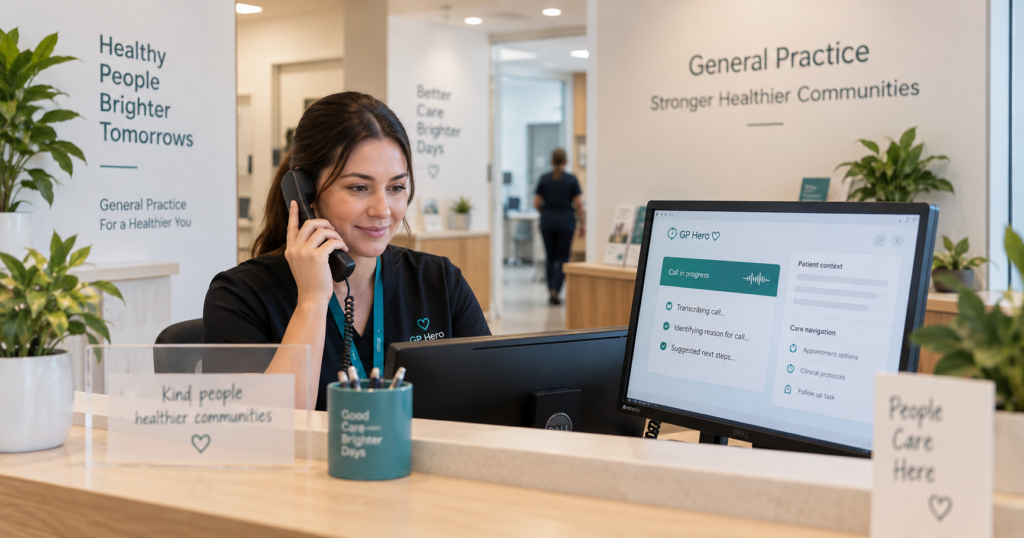
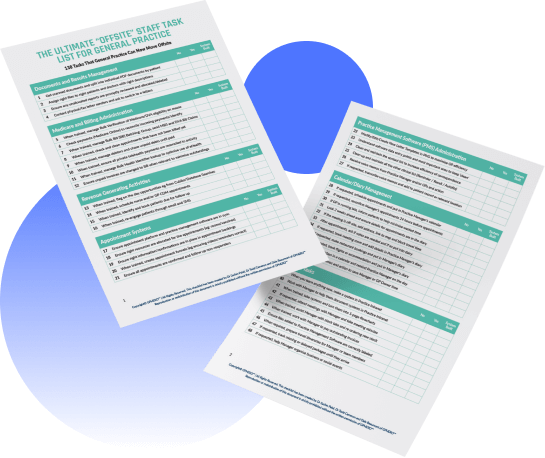
This is where offsite Practice support earns its place — and where the honest comparison gets interesting. The repeatable, behind-the-scenes work that eats your team’s day — phones, bookings, billings, recalls, document management — doesn’t need to happen in the building. It needs to happen well, by someone trained to your standards, working inside your systems. That work can be filled fast, and filled by someone who already knows how Australian General Practice runs.
The speed difference is the whole point. Where local recruitment is measured in months, a trained offsite support person can be scoped, matched, and working inside your systems in a matter of days.
The horror stories and why they happen
Now the part everyone’s quietly nervous about. The offshore horror stories are real, but look closely at what actually went wrong in them, and it’s almost always the same thing: someone hired a cheap, untrained individual with no management, no quality checks, and no understanding of the local context — then handed over judgement-heavy work that should never have left the building.
That’s not a comparison between local and offsite. That’s a comparison between supported, trained, well-matched support and unsupported, untrained, unmanaged labour. The second one fails wherever it’s located.
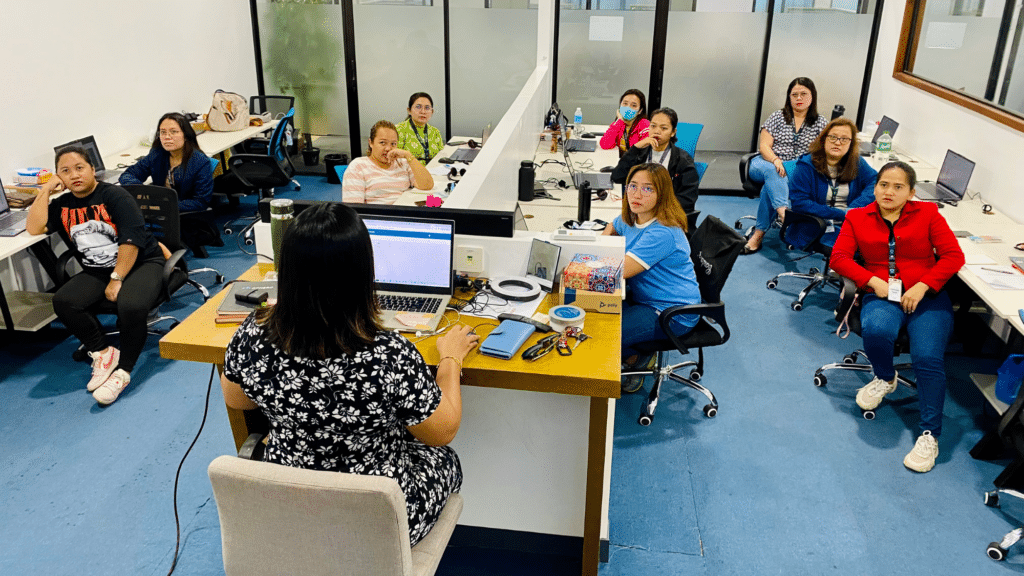
The honest version of offsite support looks nothing like the horror stories. It means a trained, General-Practice-ready person working to your standards, with a partner managing the training, the quality, and the day-to-day behind the scenes. The judgement-heavy, face-to-face work stays exactly where it should — with your onsite team, who now have room to do it well.
The comparison isn’t either/or
Here’s the reframe that dissolves the whole debate: it was never local versus offsite. The best-run Practices use both, deliberately. The in-person, relational work stays local. The repeatable, systemisable load moves offsite — fast — so the people in your building are freed to be present for the people in front of them.
You’re not handing your practice to a stranger. You’re moving the predictable load off your team’s plate so the relief actually arrives. That’s the core of it, and it connects straight back to the real diagnosis: the empty seat was never a hiring problem, it’s a speed problem.
See it walked through, live
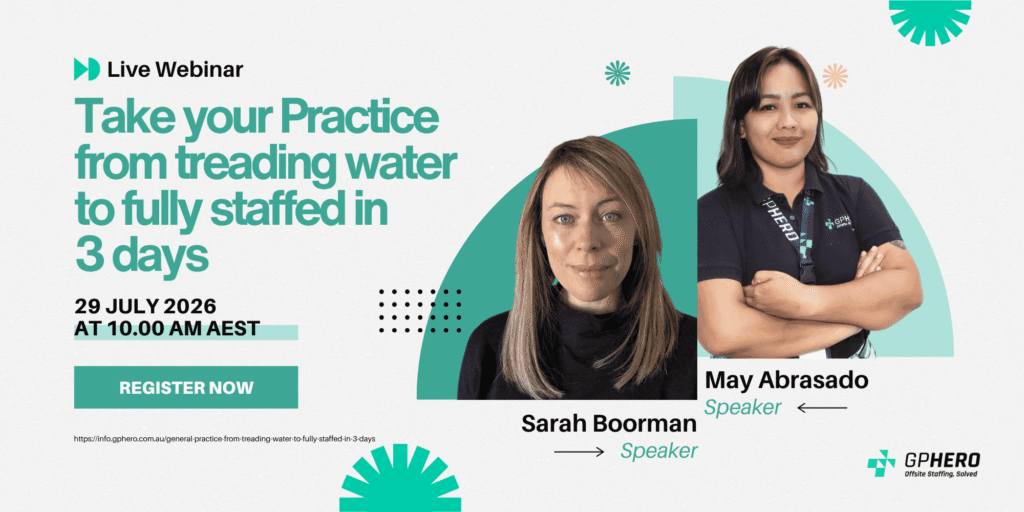
On Wednesday 29 July at 10am AEST, our free one-hour session — From Treading Water to Fully Staffed in 3 Days — walks through exactly how the offsite model works inside a real Australian Practice: what moves offsite, what stays with your team, and how the quality is held. The honest version, start to finish.
Bring your scepticism — it’s the right instinct. Come and see whether the honest version stands up to it. We think it will.